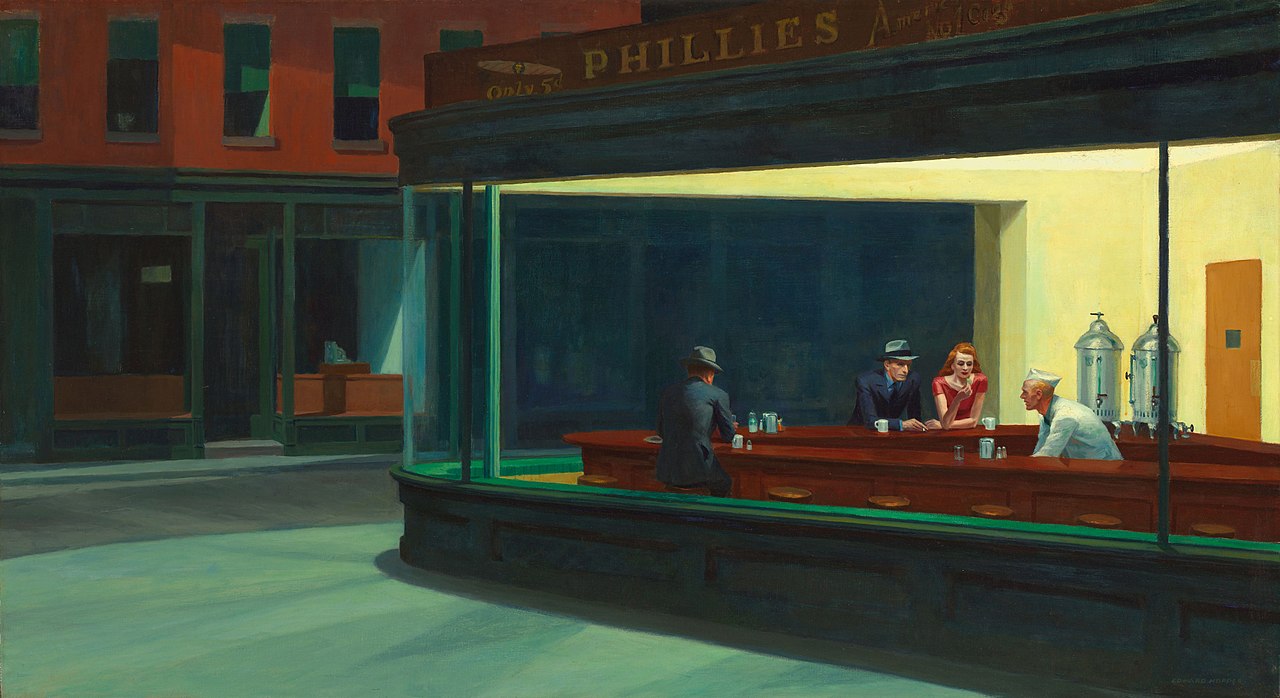
I worked hard to reach this age. I expected some problems.
Nobody warned me about the insomnia.
The Numbers Don’t Lie
57% of Us Can’t Sleep
According to research, chronic insomnia affects 57% of elderly Americans. That’s more than half of us staring at the ceiling every night.
Insomnia is the most common sleep problem for adults over 60. We have trouble falling asleep. We have trouble staying asleep. We wake up too early. Sometimes all three.
The experts say we need seven to nine hours of sleep. The experts have clearly never been 71 years old.
New Reasons to Worry at 3 AM
The Phone That Should Never Be Near Your Bed
You wake up in a panic and grab your phone. The phone knows everything. Breaking news. Sports scores. Weather disasters. New wars. The phone is always awake, waiting for you.
FOMO is real, even at our age. Maybe especially at our age. Did something happen while we were trying to sleep? The only way to find out is to look at the phone.
Then we fall down a rabbit hole. Videos. News. Social media. Before we know it, two hours have passed.
3 AM Thoughts
Did I lock the door? Should I cancel my morning appointment? What was that noise?
What We Should Think
Nothing. We should be asleep. Thinking is for daytime.
Lock Your Doors and Windows
Good sleep hygiene includes feeling safe. The National Institute on Aging recommends making sure your home is secure before bed. One less thing to worry about at 3 AM.
The Problem Nobody Wants to Discuss
Nocturnal Urination
Every old man knows this routine. You finally fall asleep. Two hours later, your bladder wakes you up. You stumble to the bathroom. You go back to bed. Repeat.
Sometimes I see an old guy on TV and wonder how many times he got up to urinate last night. How many hours did he actually sleep? Does he need stimulants to function during the day?
It’s especially concerning when you consider how many important decisions are made by people who are chronically sleep-deprived.
The Impossible Rules
What the Experts Tell Us
Stop drinking liquids by noon. No alcohol. No caffeine. Go to bed at sunset.
Stop drinking at noon to stop urinating by sunset. That’s when old people are supposed to get in bed. Never drink alcohol. No caffeine to keep you focused in the afternoon.
But that’s impossible.
If I followed all these rules, I would be dehydrated, exhausted, and in bed by 5 PM. That’s not living. That’s waiting to die.
The Real Cycle
Wake up. Drink coffee. Feel human. Work. Drink water. Work more. Go to bed. Wake up to urinate. Repeat forever.
What Actually Helps
Write It Down
The only thing that helps me fall back asleep is to write something in Apple Notes. Get the thoughts out of my head and onto the screen. Then maybe sleep will come.
The experts call this “sleep hygiene.” I call it “desperate measures at 4 AM.”
Some people try meditation. Some try warm milk. Some try medication. I wrote this blog post about insomnia while experiencing insomnia.
Something That Might Work
Cognitive behavioral therapy for insomnia (CBT-I) is proven to help older adults. It works better than sleeping pills and doesn’t have side effects. Learn more about cognitive behavioral therapy for insomnia.
If cognitive behavioral therapy works, why do I have insomnia?
This method wants me to get out of bed as soon as I wake up. But I’m comfortable. I struggle for a minute. When I finally get up, I’m exhausted. I can only think about being useless for the rest of the day if I don’t get back in bed immediately. So I return to bed.
The cycle continues.
A Night in My Life
Now it’s time for my body to process the remaining liquid I drank after noon yesterday.
After that’s done, I will drink a cup of coffee and start the whole process over again.
Have a Nice Day
If you’re reading this at 3 AM, you’re not alone. 57% of us are right there with you. Now put down the phone and try to get some rest.